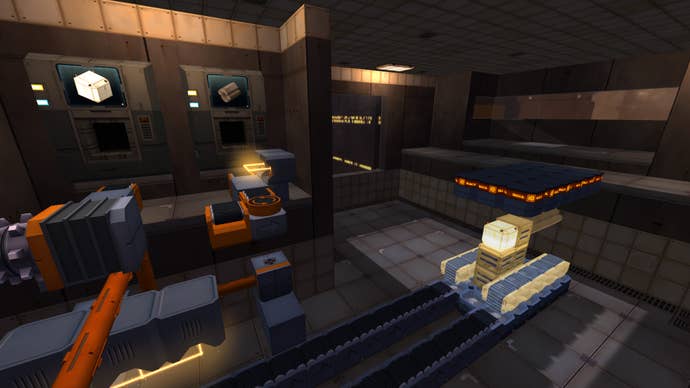
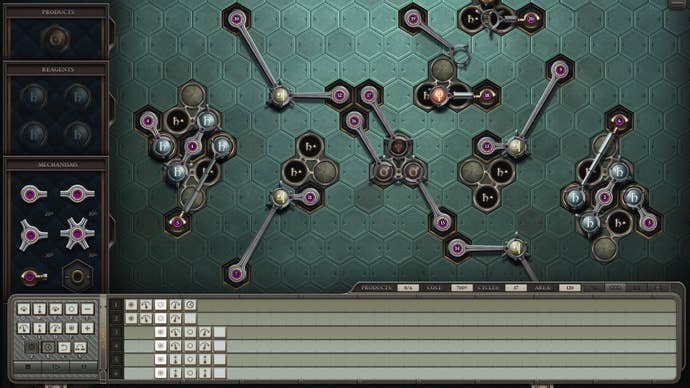
These factories aren’t exercises in empire-building, however, likeFactorioandSatisfactory.
As those two examples illustrate, Zachtronics factory games aren’t abstract puzzlers.
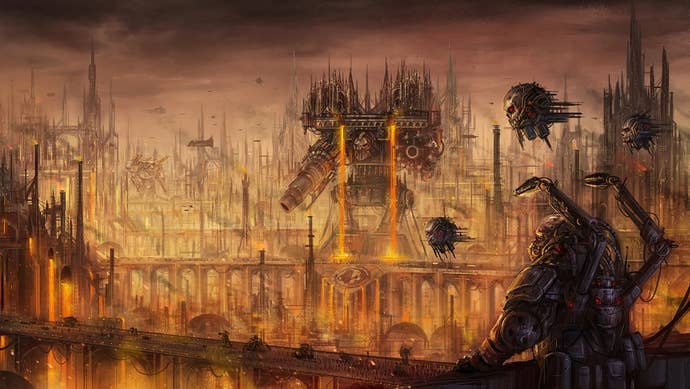
Warhammer 40,000 has more than a few factories.
In the process, he developed a cautious enthusiasm for Warhammer 40,000’s rancid supporting fiction.
The table-top game itself?
And so, finally, years later, I got to play it and it fucking sucks.
Like, the games last hours!
It’s like four turns in an hour, just so much dice rolling!
I certainly couldn’t afford it as a kid growing up.
And so, the only real connection I ever had to it was through video games, right?"
“I have friends and stuff who worked on licensed games,” Barth says.
I, we, never worked on any licensed games.
Barth started thinking in earnest about a Warhammer 40K pitch in early 2017.
“We would have been deep in production onOpus Magnum,” he recalls.
“We were at the point where we knew what the game was.
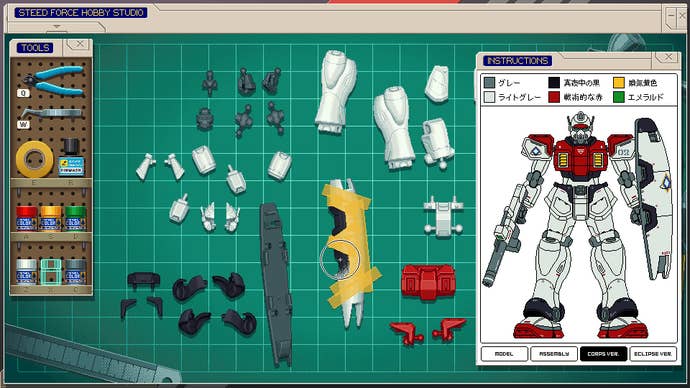
So I think we thought there would be some synergy there to make a cool factory game.”
“And you’re just doing your job.”
It sounds, to me, like a natural fit.
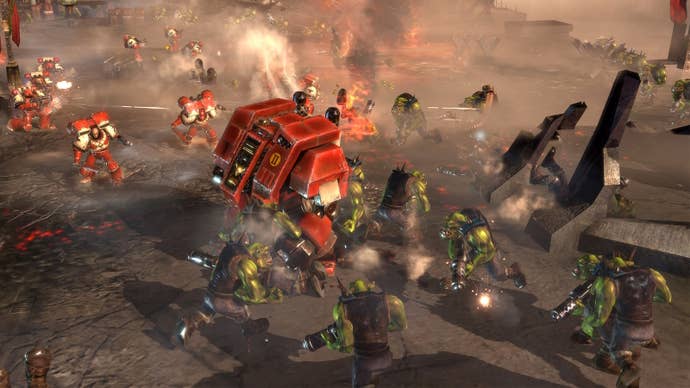
And Barth’s initial discussions with Games Workshop were encouraging.
I think this explains why you see 40K ‘indie’ games, basically."
Games Workshopdidwant a chunk of dosh upfront, however.

Is it going to help us, for the amount that they’re going to take, right?
Innovation in the Imperium of Man is… discouraged.
Novelty and imagination are the province of demons and subversives.
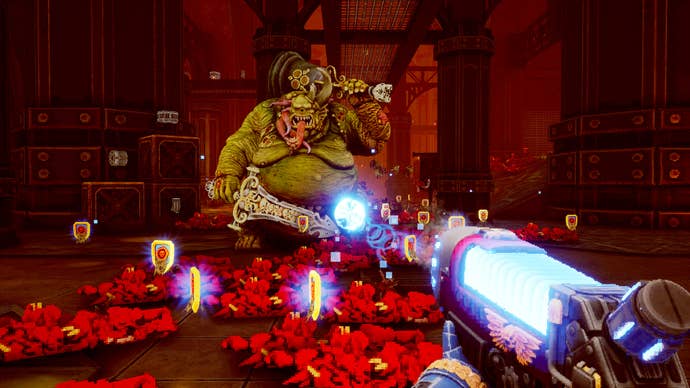
The only sanctioned technologies are centuries-old manifestations of the unalterable Machine God.
“In fact, it’s heresy to build new things in the world of 40K, right?
That’s kind of inconvenient for our purposes.
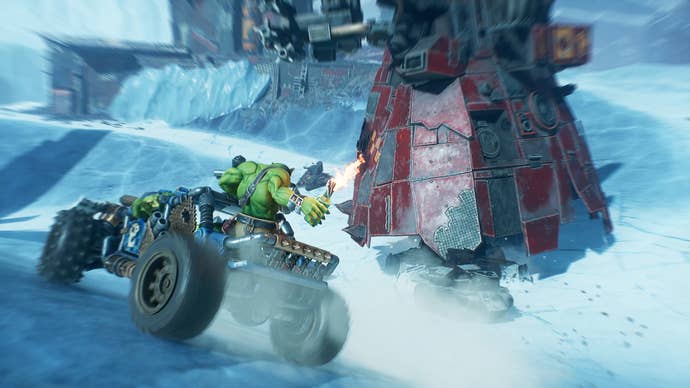
Not when you’re licensing somebody else’s IP - you’ve got to work around those limitations.”
Zachtronics has always set a high price on originality, he notes.
“The part of the game that we like doing the most is inventing stuff.
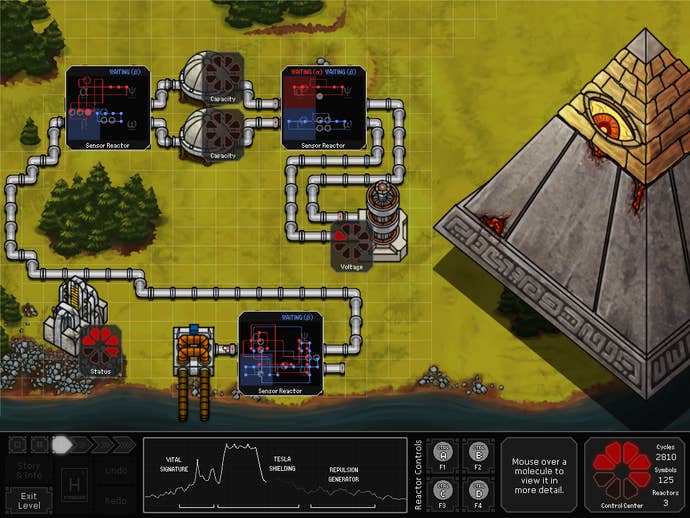
Like, we’ve never made a sequel to any of our own games.”
“It’s a funny thing, you know?
And he’s like: what do you mean?
They’re all funny, it’s a funny setting.
I’m just like: is it?
And he’s like, yeah it’s, you know, funny.
I’m just like, I don’t know if Americans see it that way!”
But he doesn’t think those misreadings are entirely about cultural disconnect.
“And, you know,Helldivershasthe same discourse.
And it’s weird.
I’m like: but is it?
Just to say it’s a satire - what’s it skewering?
They’re like, oh I don’t know.
You mean that it’s a parody, maybe?
I’ve literally gotten into a fight with everybody I know about this.”
“It was just so hard to justify giving somebody so much money for that,” Barth says.
“If it was free, I think we like 100% would have done it.
But not when that price tag comes on it, you know - that’ll sink a project.
“Zachtronics was never a hugely successful studio,” he adds.
I play it safe with all of our business decisions, and it just seemed too risky.”
Imagine a Forge World dedicated to such things.
