Last time, you decided thatinterrupt attacks are better than a lore codex.
Sanity prevailed, and I thank you.
This week, I ask you to choose between upgraded movement or upgraded cardboard.

What’s better: Fast travel, or upgrading cards?
Your task is complete.
You’ve found the doodad.
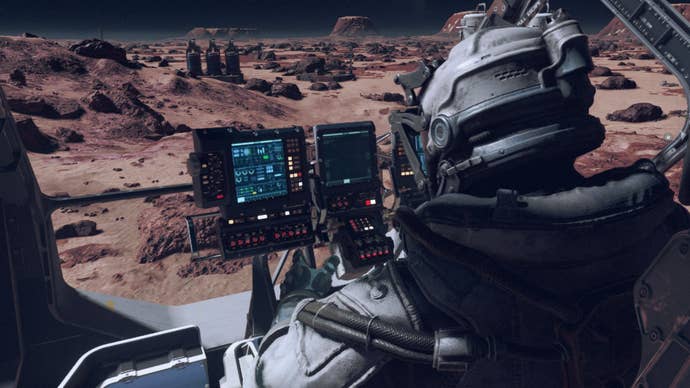
Now you oughta take it back to the starting town.
Open up the map and fast-travel back.
No hour spent running back.
No repeat of places you’ve already seen and dungeons you’ve already rinsed.
Just hand in the doodad and off you go.
Fast travel: a too-rare case of video games respecting your time.
While fast travel is wildly convenient, I fear it can hollow games.
A game which sees the world as locations to complete tasks.
On the flipside, maybe it’s fine for games to be that.
Not every game need be a place I want to roam endlessly.
Most games are theme parks of some form, and fast travel lets an open-world game lean into that.
It’s very satisfying to have a honed deck with all upgraded cards.
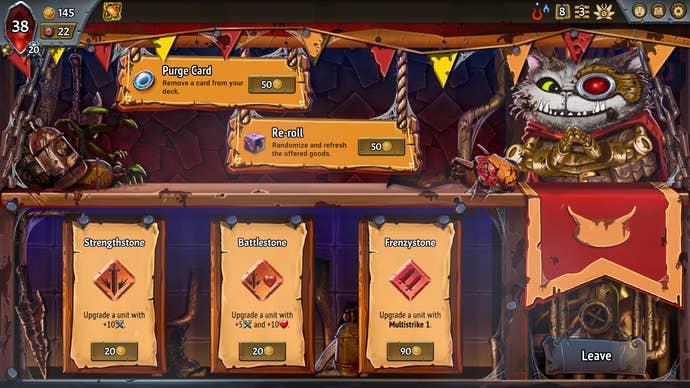
The Spire-inspiredMonster Trainhinged upon upgrades.
It made upgrading freeform, taking bigger numbers and extra keywords onto cards as you pleased.
Layers of planning, optimising, and fiendish plans.
Inscryptionturns upgrading bloody in a delightful way.
I like upgrading cards more than many other types of unit upgrades partially because it feels a little wrong.
You couldn’t do this so easily with cardboard.
But here I am, scrawling new, bigger numbers on top.
And I’m winning while doing it.
But which is better?
Fast travel is undeniably handy but I fear it’s had an insidious effect on games.
Upgrading cards wins it for me.
But what do you think?
