Myhouse.dev
Sometimes a home only becomes a home when you leave.
One of the games in question is a work of daydreaming fondness, the other of comical anger.
My old flat had plentiful downsides, but I at least got on with my landlord.
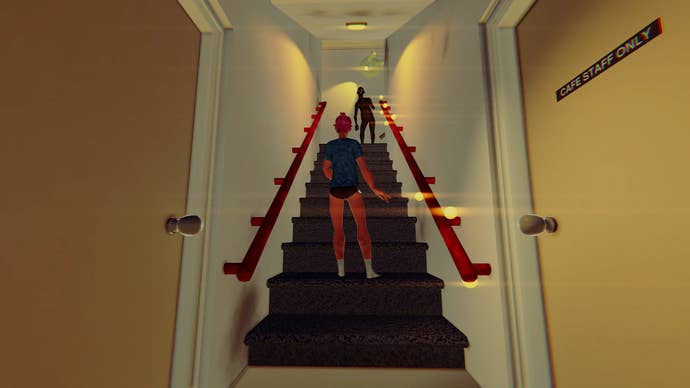
The same cant be said for your character inJanet DeMornay Is A Slumlord (And A Witch).
After all, she has a right to see whatyou’redoing inherhouse.
Why won’t you answer the door?

“It’s about landlord overreach,” explainsthe Steam page.
“It’s about a legal system built by landlords for landlords.
It’s about being a queer and having a found family.
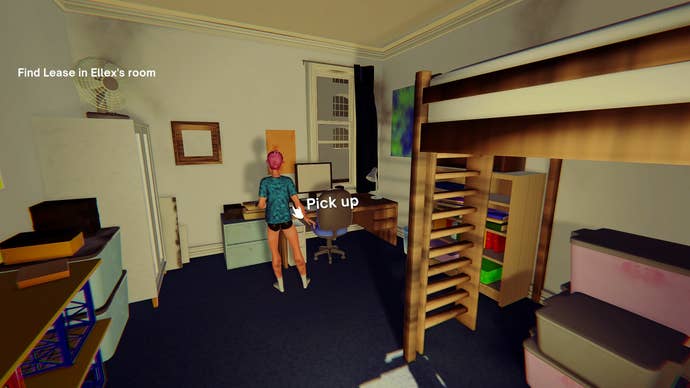
It’s also about a witch.”
The developers were offered a $20-per-week rent discount in return for no longer using the main bedroom.
This was “not tempting,” says Foley.

“The narrowness of a Sydney terrace has been nightmarish for a set-camera.
There’s so many angles needed to show every nook and cranny, and doors in annoying places.
It’s been a lot of work trying to choose the right angles to not frustrate players.”
“It’s more the feel of it, rather than getting it true to life.”
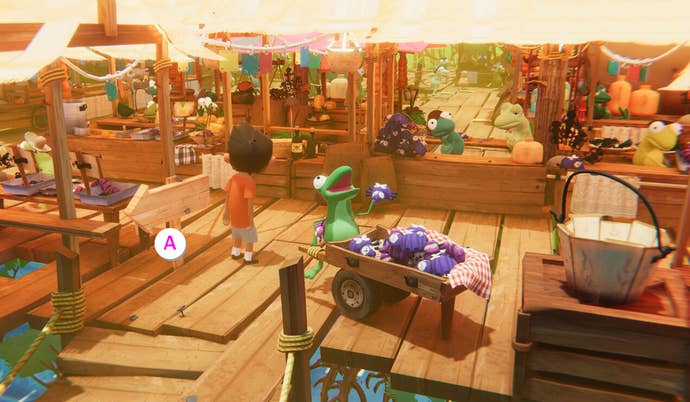
The game casts you as the bright-eyed Miho, who is helping his grandmother fix dinner.
And that would have transformed the house into this magical place.
This isn’t just autobiography, Castaneda qualifies.
Sopa makes itself at home in a tradition of oral narrative as much as a specific time and place.
Both matriarchs haunt the location in different ways.
Where JDM’s otherworldly elements are invasions, Sopa’s fantastical interludes are a kind of mischievous rebellion.
Miho’s Nana acts as a curb on his delusions, while also being the source of them.
